
10 Brain Exercises to Boost Logic, Memory, and Concentration for Talent Exams
Introduction
Preparing for talent exams requires more than just knowledge—it demands sharp thinking, strong memory, and focused concentration. These mental skills are like muscles that can be strengthened with consistent exercise. Just as athletes train their bodies, students can train their brains to perform better under pressure. Practicing specific brain exercises regularly can help enhance logic, memory, and focus, making it easier to solve complex problems and think creatively during exams.
The Importance of Brain Training
Brain exercises are designed to stimulate different parts of the brain, improving cognitive flexibility and problem-solving ability. They help students think faster, recall information more efficiently, and remain alert during long hours of study or testing. Research shows that mental workouts improve both short-term and long-term memory, keeping the brain active and adaptable. Developing these skills not only supports exam performance but also strengthens lifelong learning habits.
Logical Thinking Exercises
Logic is the foundation of clear and structured thinking. To boost logical reasoning, students can solve puzzles like Sudoku, chess problems, and logical riddles. Strategy games such as checkers or Rubik’s cube challenges train the brain to analyze patterns, plan ahead, and make decisions efficiently. These activities enhance analytical thinking, a skill that’s essential for solving reasoning questions in talent exams.
Memory Enhancement Techniques
Memory plays a crucial role in remembering formulas, facts, and concepts. Exercises like mnemonics, visualization, and the method of loci (linking ideas to familiar locations) can help store and recall information effectively. Students can also try repetition through flashcards or mind mapping to strengthen memory connections. Regularly revisiting learned material in short intervals—known as spaced repetition—helps move knowledge from short-term to long-term memory.
Concentration and Focus Drills
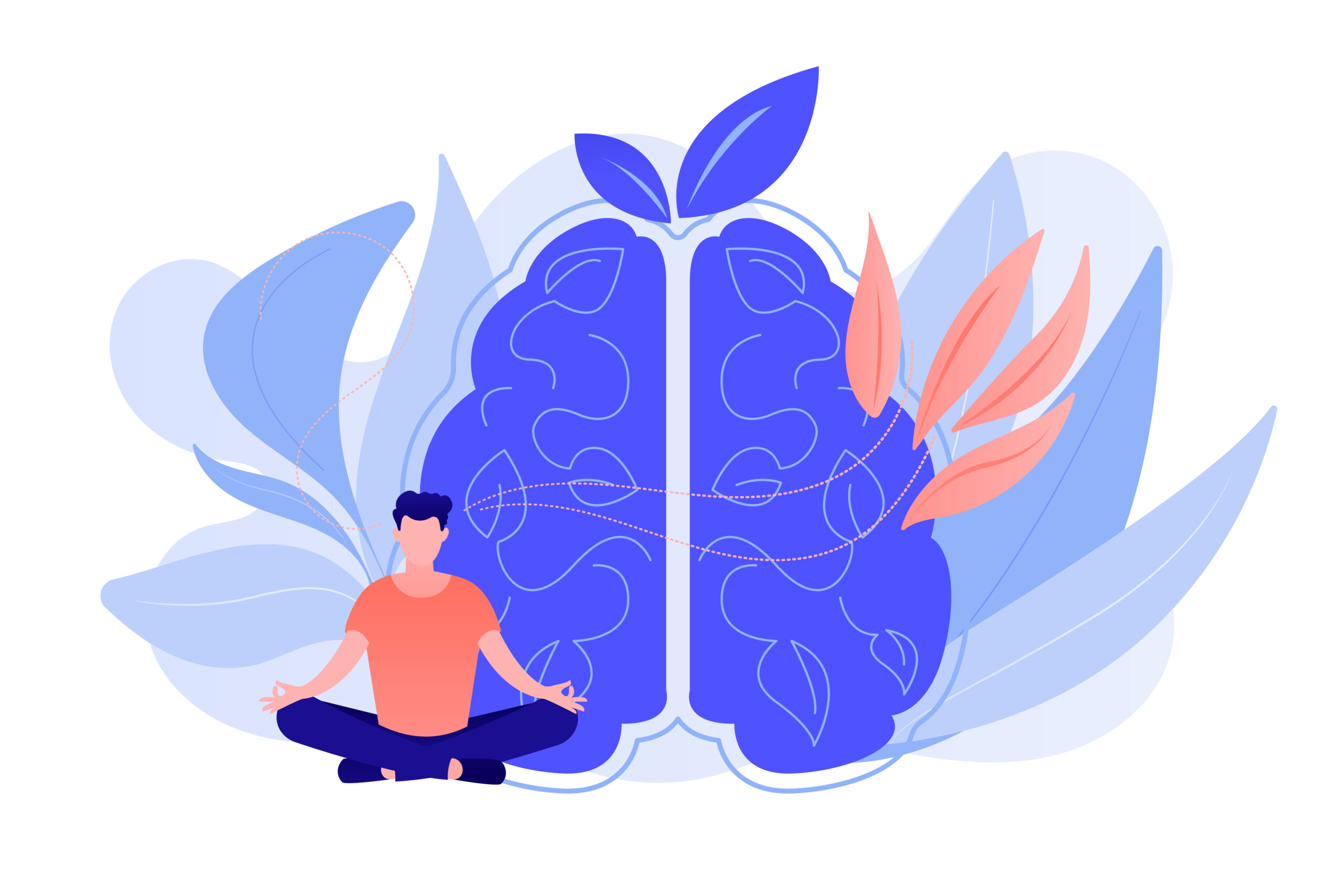
In a world full of distractions, improving concentration is key. Simple practices such as meditation, deep breathing, and mindfulness exercises can help students stay calm and focused. Activities like reading for comprehension, tracing mandala patterns, or completing attention-based games (such as finding differences in pictures) can sharpen focus. The goal is to train the brain to sustain attention on one task at a time, which is crucial during timed exams.
Combining Brain Exercises into Daily Routine
For the best results, students should combine these exercises into their daily study schedule. Spending just 15–20 minutes each day on mental workouts can significantly improve brain function. For example, a routine might include five minutes of logic puzzles, ten minutes of memory review, and five minutes of mindfulness. Consistency is more important than intensity—small daily habits lead to lasting improvement in thinking ability and confidence.
Conclusion
Boosting logic, memory, and concentration through brain exercises gives students a strong advantage in talent exams. These activities not only improve academic performance but also build mental resilience and adaptability. By dedicating time to train their minds, students can approach exams with sharper focus, clearer reasoning, and greater confidence. In the end, a well-trained brain is the key to unlocking one’s full potential.
Leave a Reply